
What is GAND?
*
What is GAND? *
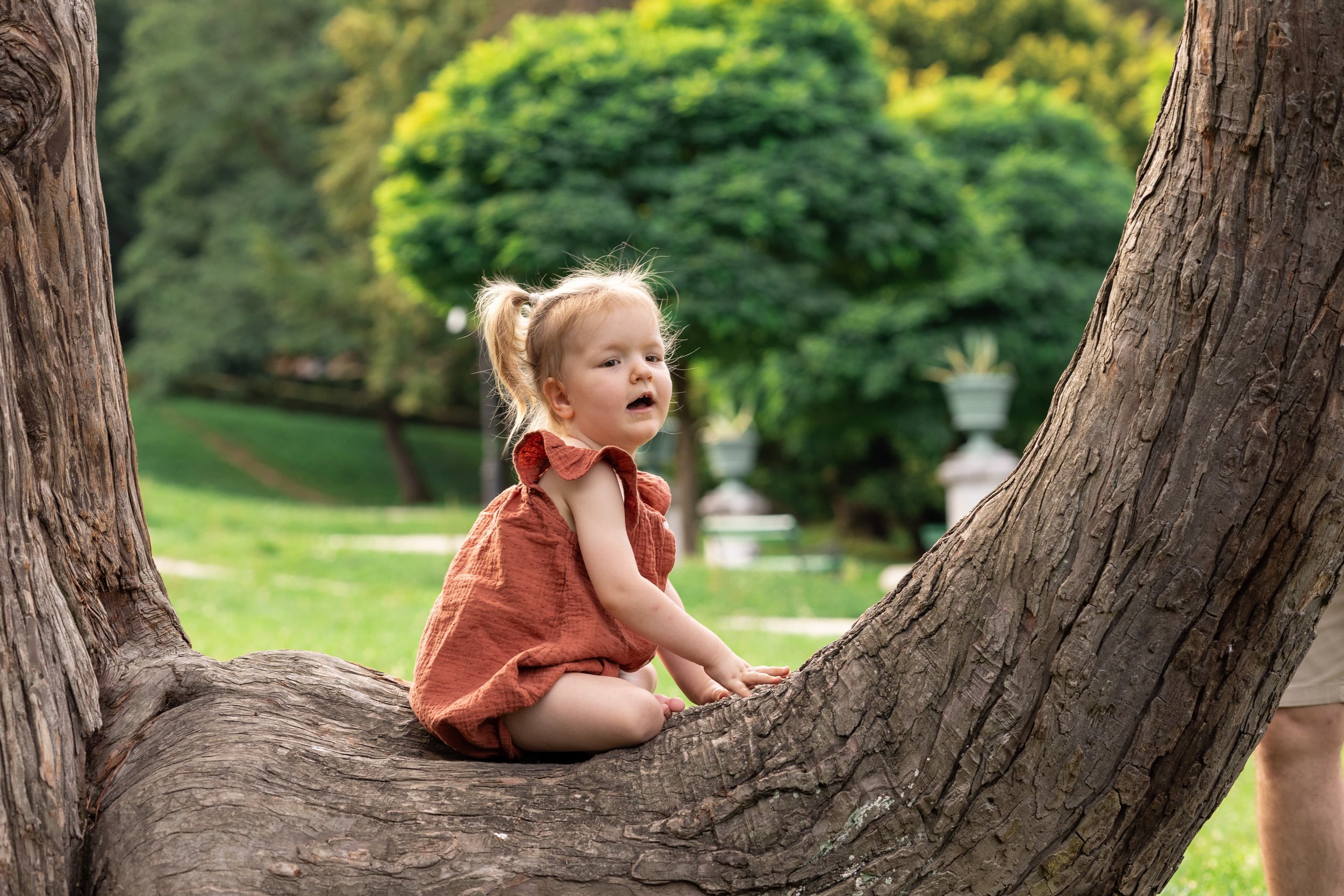
GATAD2B-associated neurodevelopmental disorder is a rare genetic condition affecting brain development, learning, and communication.
Why did this happen?
In the vast majority of children with GAND, the change in the GATAD2B gene happens spontaneously in the child (called a de novo change). This means it was not inherited and is not caused by anything a parent did or did not do.
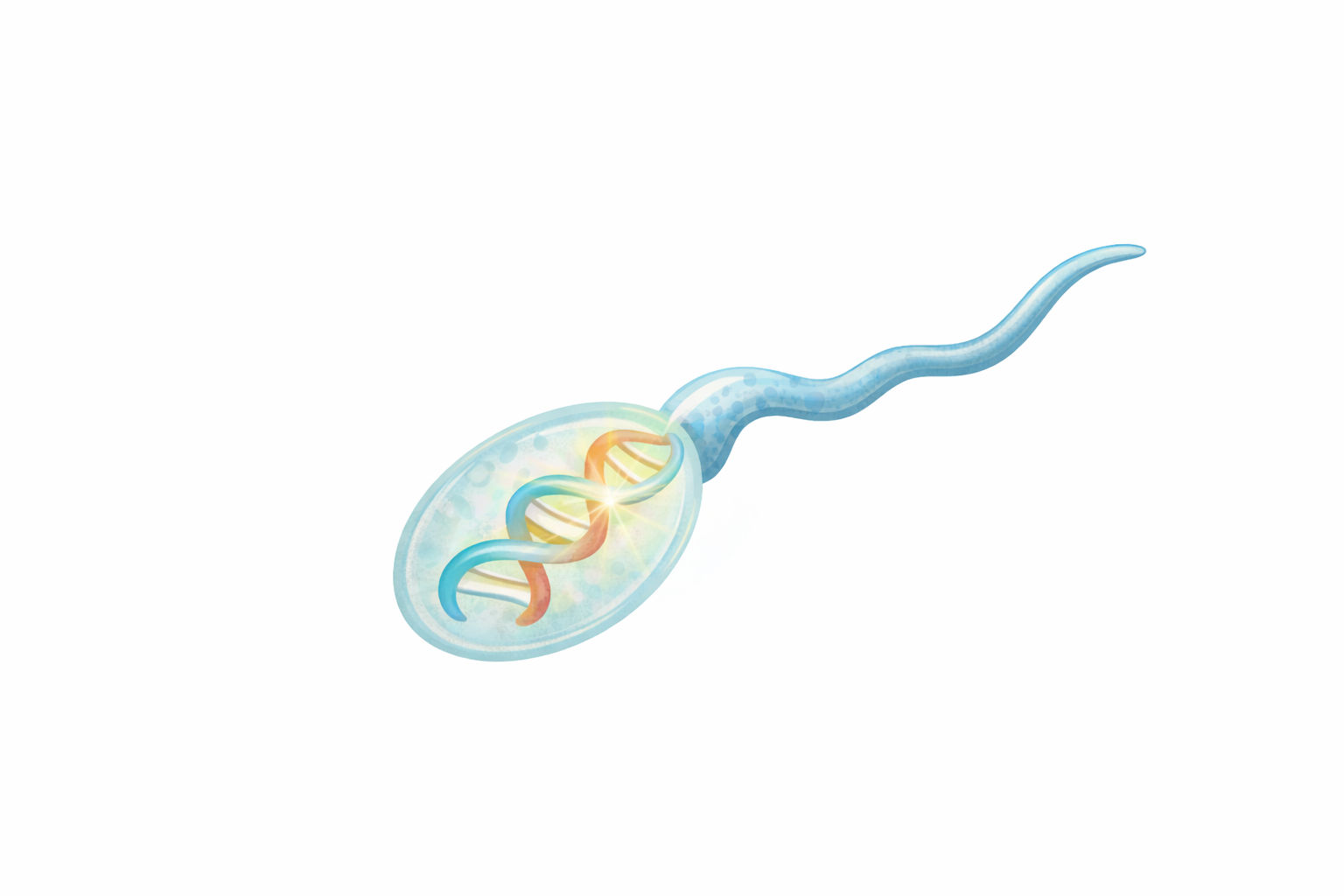
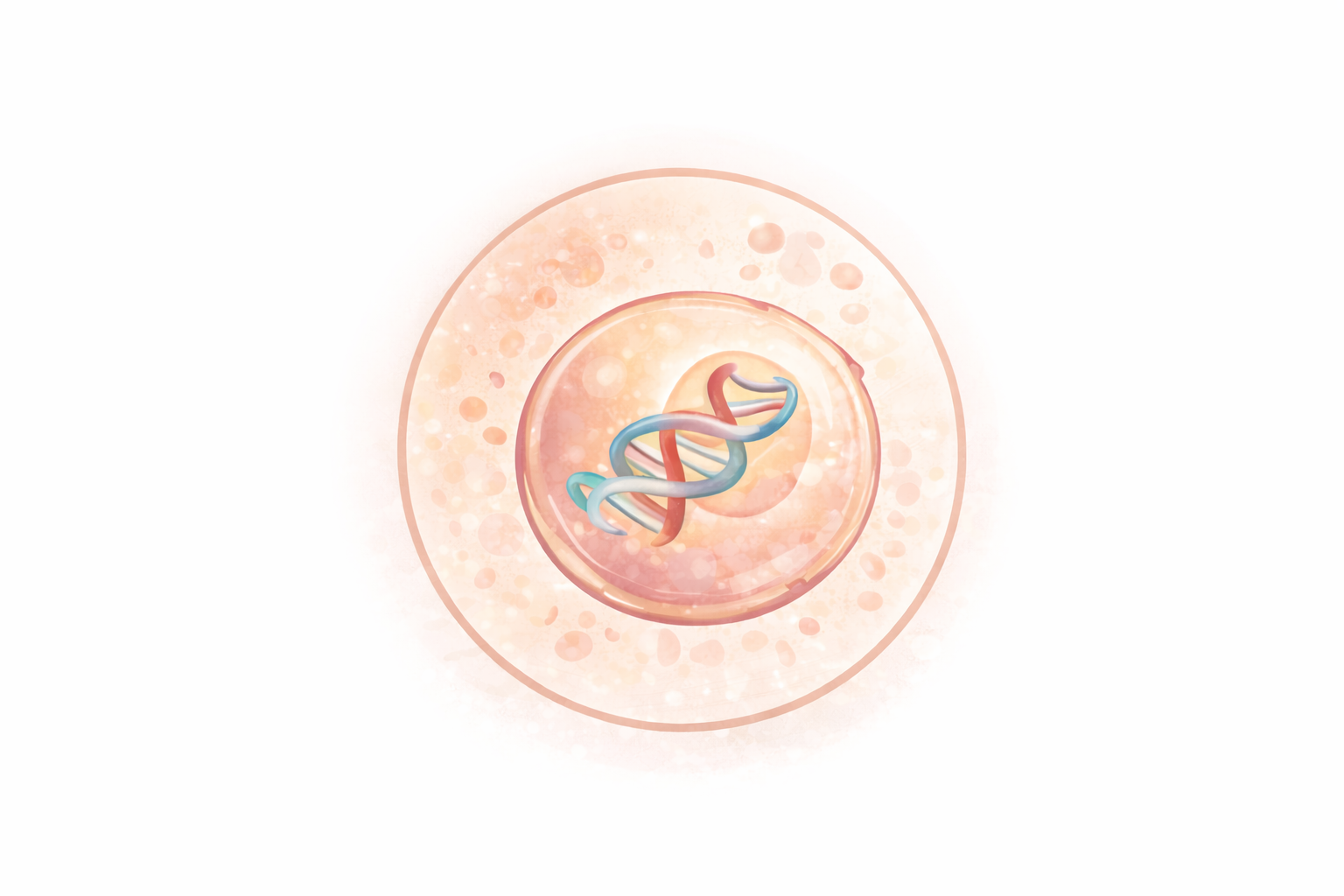
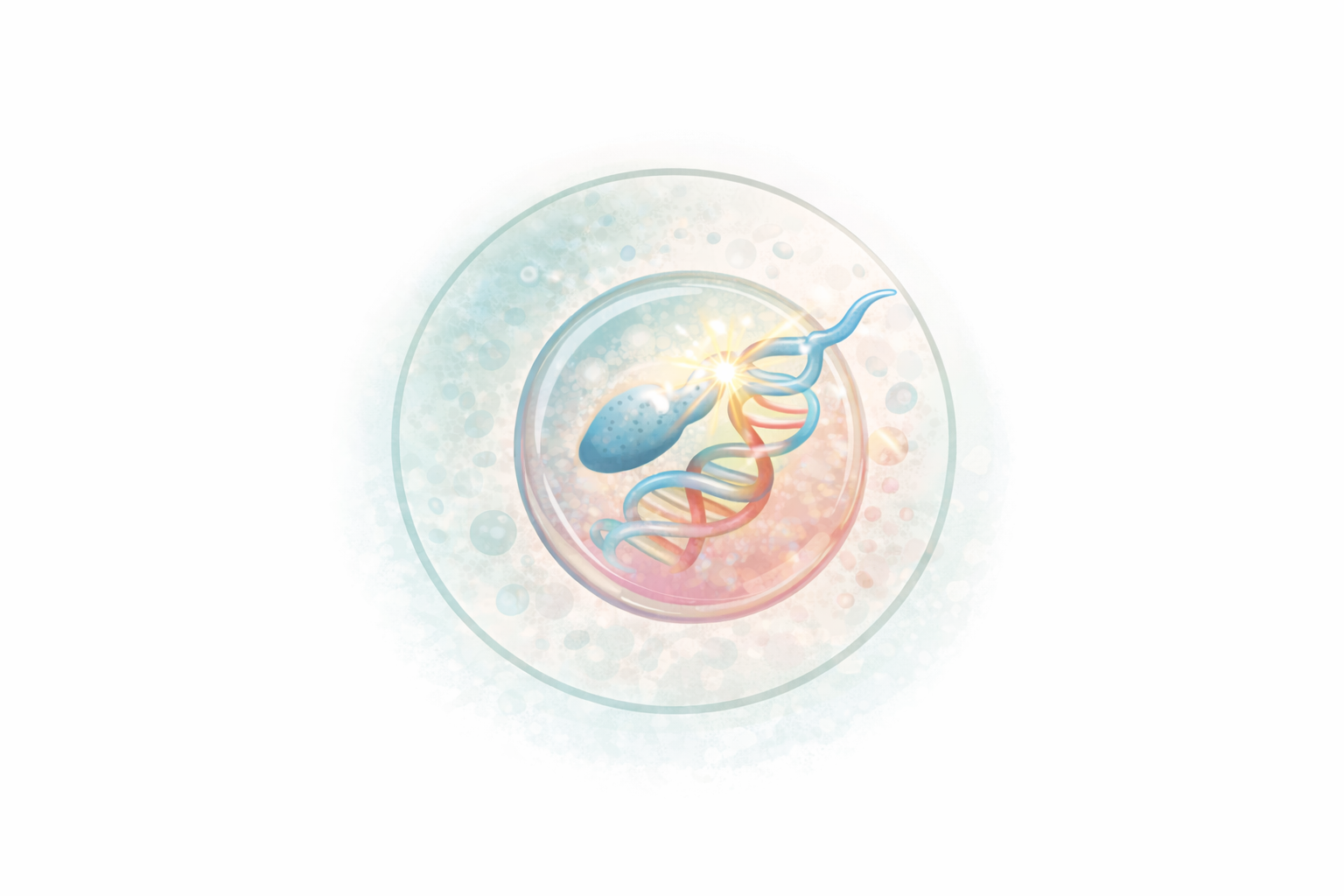
In rare cases, one parent may carry the genetic change in only some of their cells. This is known as mosaicism. Parents with mosaicism typically have no developmental or learning difficulties themselves.
When a child is conceived, the parents’ genetic material is copied in the egg and sperm. This biological copying process is not perfect, and in rare cases, spontaneous changes can occur in a child’s genetic code. These changes are not present in the parents’ DNA and occur naturally.
Can it
happen
again?
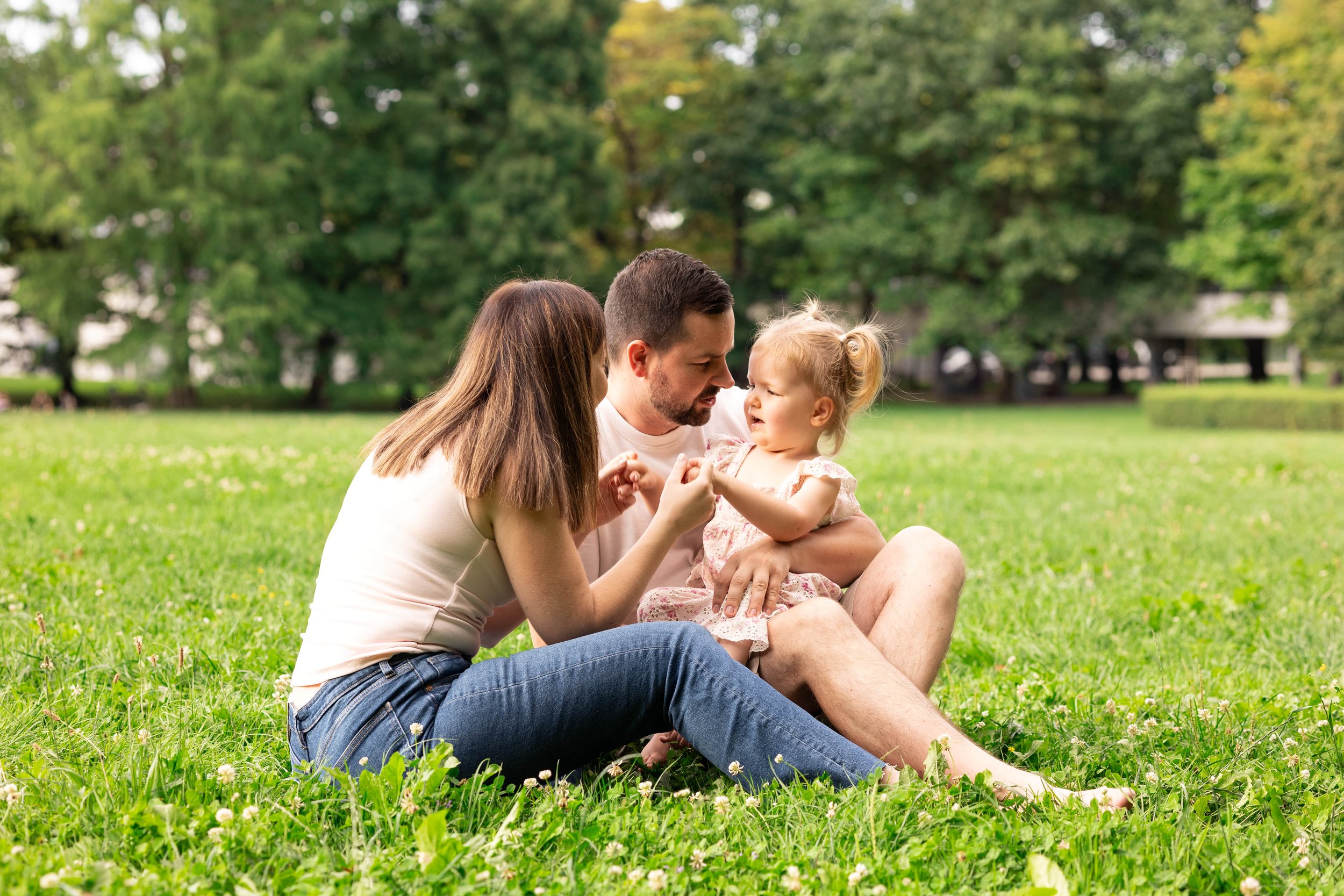
The likelihood of having another child affected by GAND depends on the genetic findings in the parents.
If neither parent carries the change in the GATAD2B gene, the chance of recurrence is very low. However, there is a small possibility that some egg or sperm cells carry the genetic change, a situation known as germline mosaicism.
If one parent is found to carry the same genetic variant, the chance of recurrence is significantly higher. Each family situation is unique, and a clinical geneticist or genetic counsellor can provide individualized guidance and discuss available options for future pregnancies.