Development Status
Where the project stands today and what comes next.
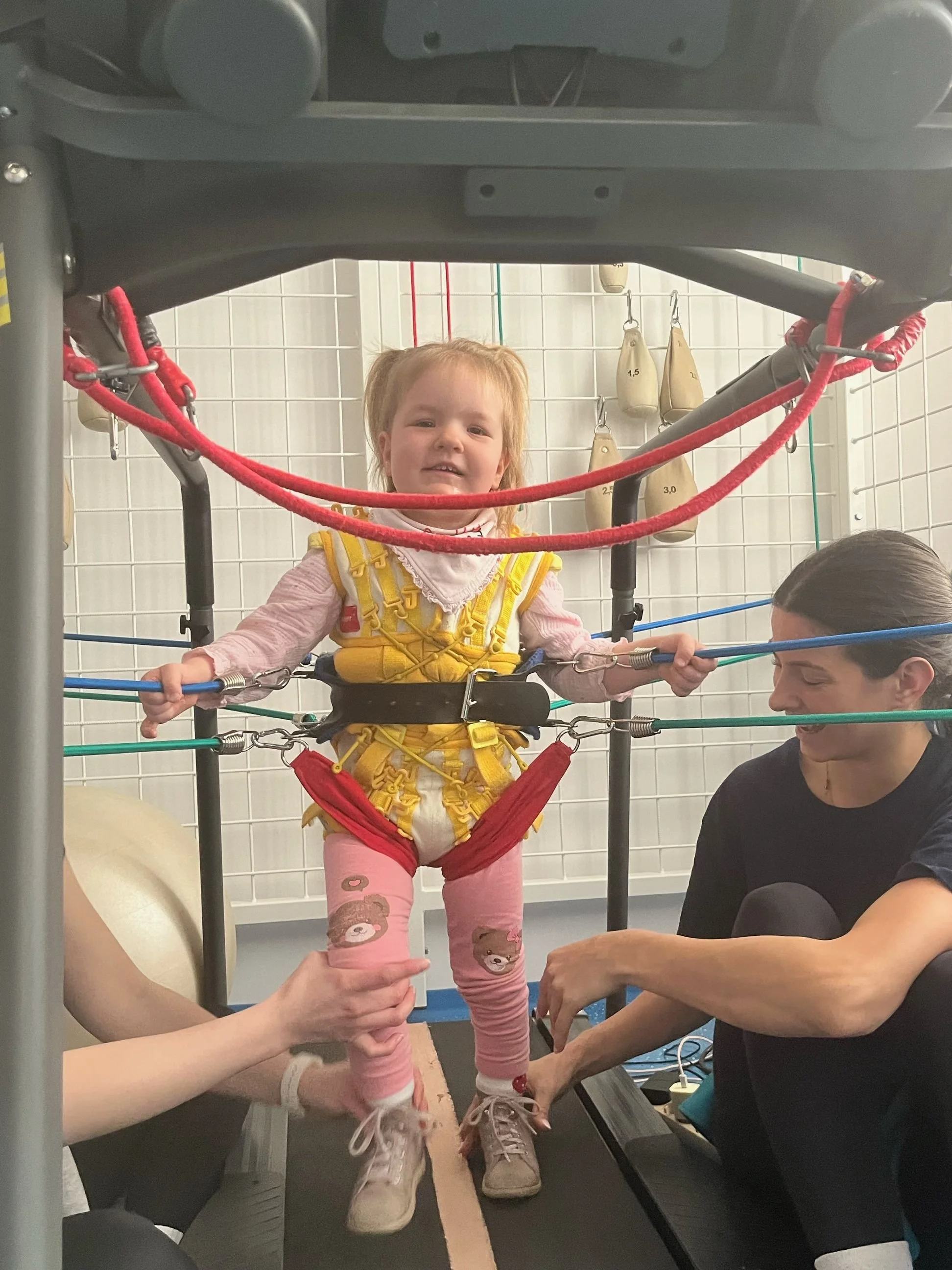


Where we are today
The GAND gene therapy program has progressed from therapeutic design into preclinical development, with AAV-GATAD2B constructs developed and promising candidates identified through human cell models.

What needs
to happen next
The next critical steps are to validate the best candidates in patient-derived models, complete the GAND disease model and efficacy studies, and—if the results support progression—move into IND-enabling development toward a first-in-human clinical trial.
For rare diseases like GAND, progress does not happen automatically. Without funding and public support, many projects never move forward.
Every contribution helps accelerate development, bringing the project closer to real clinical application and potential treatment.
Why support is critical