The Therapy
Understanding how gene therapy works and why it offers real hope for GAND.
What is gene therapy?
Gene therapy is one of the most advanced areas of modern medicine. Instead of focusing only on symptoms, it aims to address the underlying cause of disease — the genetic code itself.
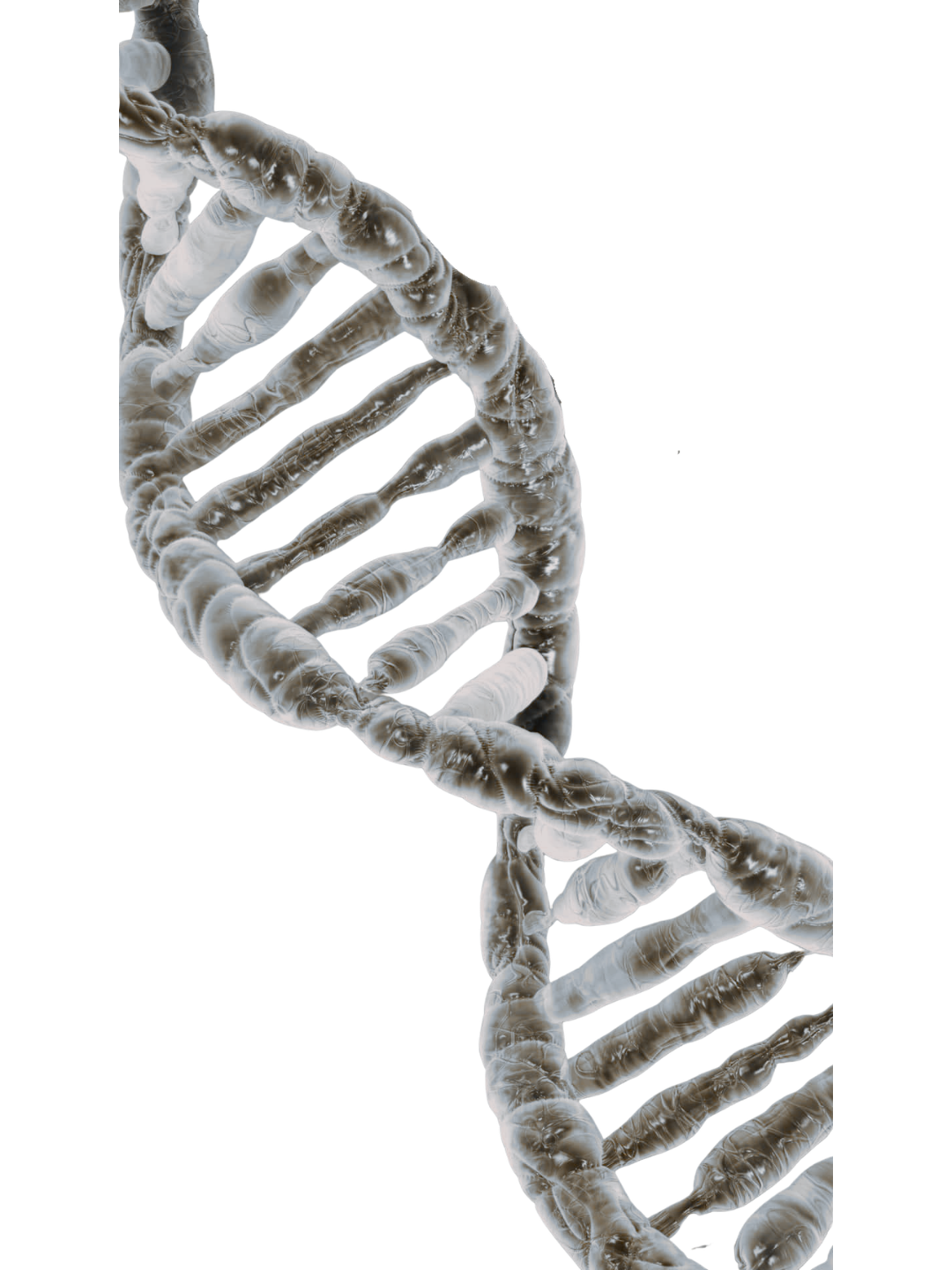
In rare genetic conditions like GAND, gene therapy represents one of the most promising paths toward a long-term solution.
How does gene therapy work?
Our bodies function based on instructions encoded in our genes. When a gene does not work properly, it can disrupt development and normal biological processes.
Gene therapy aims to correct or bypass this problem — most commonly by delivering a functional copy of the gene into the cells or restoring its activity.
This is typically done using specially engineered viral vectors, which act as a delivery system. These vectors are modified so they cannot cause disease, but can safely carry genetic information to the target cells.
For GAND, the goal of gene therapy is to restore or replace the function of the GATAD2B gene that is not working correctly.
If successful, this approach could improve developmental outcomes and significantly enhance quality of life.
While the development process is complex and requires time, research, and resources, advances in gene therapy already show that this approach is scientifically realistic.
What this means for GANd
Why this approach matters
In recent years, gene therapy has already led to breakthroughs in other rare diseases. This demonstrates that meaningful progress is possible, even in conditions once considered untreatable.
For families affected by GAND, gene therapy represents more than science — it represents hope. The possibility that the future will not be defined only by limitations, but also by progress, collaboration, and action.